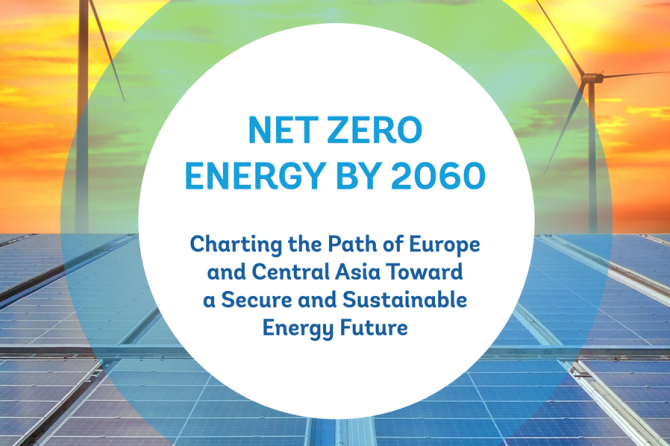
WorldBank – Net Zero Energy By 2060
Summary
Since February 2022, Europe has felt the need to diversify its energy sources and reduce dependence on fossil fuels due to a drop in Russian natural gas flows, causing high prices and supply shocks.
The region's reliance on imported gas raises concerns about energy security, with uncertainties on how to achieve it. Central Asia also faced energy crises due to underinvestment and harsh winter conditions. The report examines the implications of these crises until 2060 in the World Bank's Europe and Central Asia region, focusing on energy security, decarbonization, and uncertainties. The EU has taken steps to reduce dependence on Russian gas through renewable energy and energy-saving measures, setting an example for the region. The World Bank aims to achieve net zero energy by 2060 in the 23 countries analyzed, considering the impact of the war in Ukraine on energy security. The report outlines short-term energy security outlook and a vision for a Net Zero 2060 scenario, with plans to detail barriers to renewable energy and address macroeconomic aspects in future reports. The report also highlights investment opportunities from the energy transition in Europe and Central Asia.
Region:
Published:
Author(s):
Language:
Tech drivers:
Geopolitical drivers:
Found an inaccuracy in the description? Let us know 🙌
Latest Viewed Reports