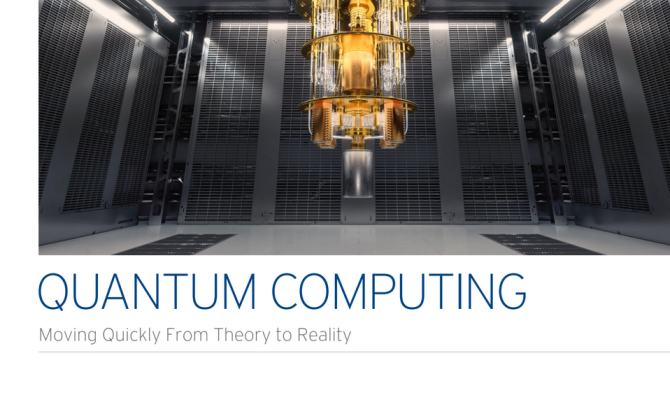
Citi - Quantum Computing, July 2023
Summary
This Citi GPS report on quantum computing provides a comprehensive overview of the latest developments in this rapidly advancing field. The report begins by explaining what quantum computing is and how it differs from classical computing, highlighting its advantages in areas like optimization, machine learning, simulation, and cryptography. It then explores specific industries where quantum computing could have a significant impact, including logistics, drug discovery, portfolio optimization, and cybersecurity.
While practical quantum computers are still in the early stages of development, researchers are making progress in areas like qubit technology, error correction, and software development. However, there are also significant challenges facing the development of practical quantum computers, including noise and decoherence, hardware limitations, and the need for new algorithms and programming languages.
Despite these challenges, many experts believe that quantum computing will eventually achieve "quantum advantage" over classical computers, leading to exponential improvements in processing power and speed. To prepare for the arrival of practical quantum computers, stakeholders will need to invest in upskilling and technology integration, as well as fostering awareness of what these machines can achieve. The report concludes by emphasizing the importance of education and training to avoid a talent skills gap, as well as the need for appropriate funding to encourage research and development on a national scale. Overall, the report provides a valuable resource for anyone interested in the exciting and rapidly evolving field of quantum computing.
Region:
Published:
Author(s):
Language:
Tech drivers:
Social drivers:
Found an inaccuracy in the description? Let us know 🙌
Latest Viewed Reports