Oliver Wyman & Berkeley – Urban Mobility by 2030
Summary
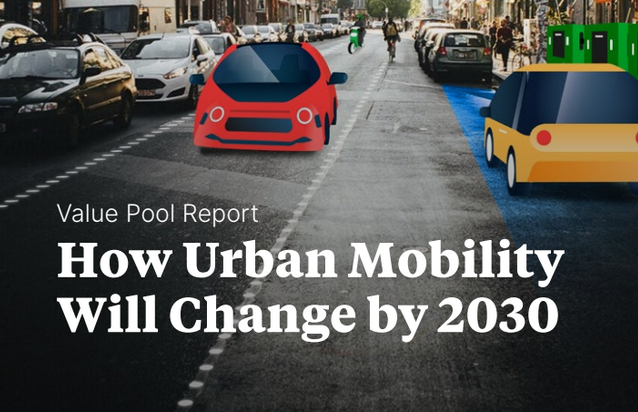
As we approach 2030, the urban mobility sector is set to undergo significant changes with the rise of apps, shared services, and electrification.
This transformation is expected to lead to a doubling in growth of new mobility services compared to traditional modes of transportation, with potential benefits for the environment and city livability. A study conducted by Oliver Wyman and Berkeley analyzed the impact of 13 services in regions across North America, Europe, and Asia, projecting an average annual growth of almost 10% through 2030. The industry is also expected to become more sustainable through increased electrification, potentially reducing air pollution and carbon footprints. However, the impact of these new services on congestion remains uncertain, as the shift towards ride-hailing and car sharing could potentially worsen traffic congestion if commuters abandon public transport. The COVID-19 pandemic has already caused a shift in transportation habits, with riders opting for shared bicycles and scooters over public transit. The long-term implications of this trend could pose challenges for urban mobility systems if mass transit loses support and congestion worsens.
Region:
Published:
Author(s):
Language:
Tech drivers:
Social drivers:
Found an inaccuracy in the description? Let us know 🙌
Latest Viewed Reports