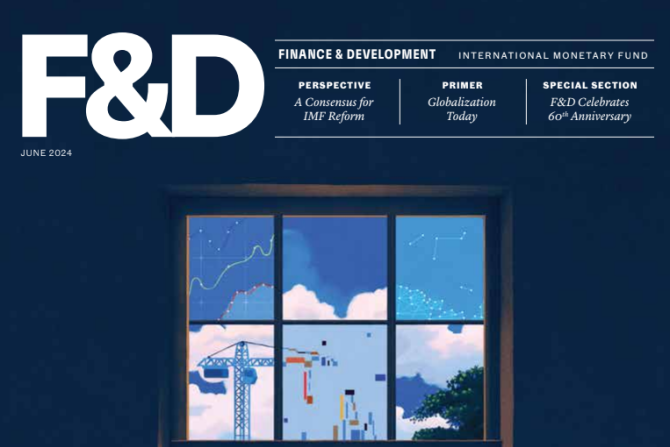
F&D – An IMF for Tomorrow, June 2024
Summary
For over a century, economic forces have brought countries closer together while also pushing them apart, depending on factors like geopolitics and technology.
This process, known as globalization, involves connecting the world economy through trade, investment, and technology. It began in the 19th century and accelerated after World War II, leading to the establishment of the WTO in 1995. Globalization has led to increased productivity and access to affordable goods, benefiting developing economies and reducing poverty rates. However, it has also resulted in job loss and wage declines in some industries and countries. Critics argue that globalization has increased income inequality and made the world economy more volatile. To address these challenges, some economists suggest strengthening global governance and institutions. While globalization has brought about economic benefits, it has also created negative consequences that need to be managed. Ultimately, the future of globalization will depend on how countries navigate the complexities of integration and isolation in the global economy.
Region:
Published:
Author(s):
Language:
Social drivers:
Geopolitical drivers:
Found an inaccuracy in the description? Let us know 🙌